
How Telecom Networks Are Evolving in a Cloud-First World
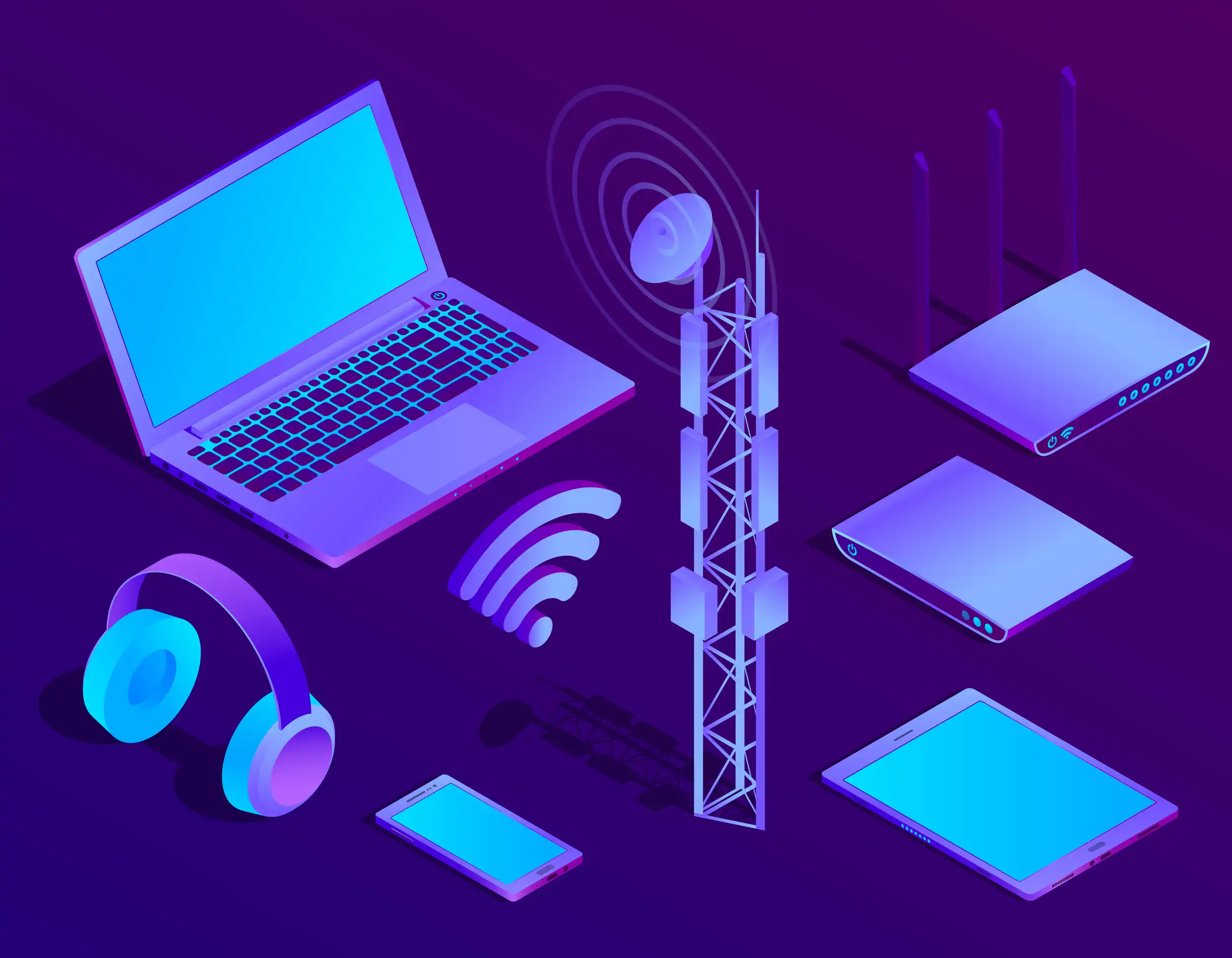
The telecommunications industry is undergoing a profound transformation. As enterprises and consumers demand faster connectivity, lower latency, and greater reliability, telecom operators are rethinking how networks are built and managed. At the center of this shift is the cloud-first approach, which is redefining telecom infrastructure, operations, and service delivery.
What Does “Cloud-First” Mean for Telecom?
A cloud-first strategy prioritizes cloud technologies—public, private, or hybrid—over traditional on-premise infrastructure. For telecom networks, this means moving away from rigid, hardware-centric systems toward software-defined, virtualized, and cloud-native architectures.
Instead of relying solely on proprietary equipment, telecom providers now leverage cloud platforms to deploy, scale, and manage network functions dynamically.
The Shift from Hardware to Software-Defined Networks
One of the most significant changes in telecom is the adoption of Software-Defined Networking (SDN) and Network Functions Virtualization (NFV).
-
SDN separates the control plane from the data plane, enabling centralized network management.
-
NFV replaces physical network appliances with virtualized software running on cloud infrastructure.
Together, these technologies allow telecom operators to:
-
Reduce capital and operational costs
-
Deploy new services faster
-
Scale network capacity on demand
This software-driven model is essential in a cloud-first world where agility is critical.
Cloud-Native 5G and Beyond
The rollout of 5G networks has accelerated the adoption of cloud-native principles in telecom. Unlike previous generations, 5G cores are designed to run as cloud-native microservices, often containerized and orchestrated using platforms like Kubernetes.
This enables:
-
Faster innovation cycles
-
Network slicing for customized services
-
Improved performance and resilience
As research into 6G progresses, cloud-native design is expected to play an even bigger role in future telecom networks.
Edge Computing: Bringing the Cloud Closer
While central cloud data centers are powerful, telecom applications often require ultra-low latency. This is where edge computing comes in.
By deploying cloud resources closer to end users—at the network edge—telecom providers can support:
-
Real-time applications
-
IoT and smart city solutions
-
Autonomous vehicles and industrial automation
Edge computing bridges the gap between cloud scalability and real-world performance needs.
Automation and AI in Cloud-First Telecom Networks
Cloud-first telecom networks generate massive amounts of data. To manage this complexity, operators are increasingly using AI and automation.
Key benefits include:
-
Predictive maintenance and fault detection
-
Automated network optimization
-
Faster incident response
AI-driven automation reduces human intervention, improves reliability, and lowers operating costs.
Security in a Cloud-First Telecom Environment
Moving to the cloud introduces new security challenges. Telecom providers must protect distributed, software-based networks from evolving threats.
Modern telecom security strategies focus on:
-
Zero-trust architectures
-
Continuous monitoring and threat detection
-
Secure APIs and encrypted data flows
When implemented correctly, cloud-based security can be more robust than traditional perimeter-based models.
Benefits of Cloud-First Telecom Networks
Adopting a cloud-first approach offers several advantages:
-
Scalability: Networks can grow or shrink based on demand
-
Speed: Faster deployment of services and updates
-
Cost efficiency: Reduced reliance on specialized hardware
-
Innovation: Easier integration of new technologies and partners
These benefits are critical as competition increases and customer expectations rise.
Challenges and Considerations
Despite its advantages, cloud-first telecom transformation is not without challenges. Operators must address:
-
Legacy system integration
-
Regulatory and data sovereignty requirements
-
Skills gaps in cloud and software engineering
A phased, hybrid approach is often the most practical path forward.
The Future of Telecom in a Cloud-First World
As cloud adoption deepens, telecom networks will continue to evolve into flexible, intelligent, and software-driven platforms. Cloud-first strategies are no longer optional—they are foundational to delivering next-generation connectivity and digital services.
Telecom operators that embrace this transformation will be better positioned to innovate, scale, and compete in an increasingly connected world.
Comments